

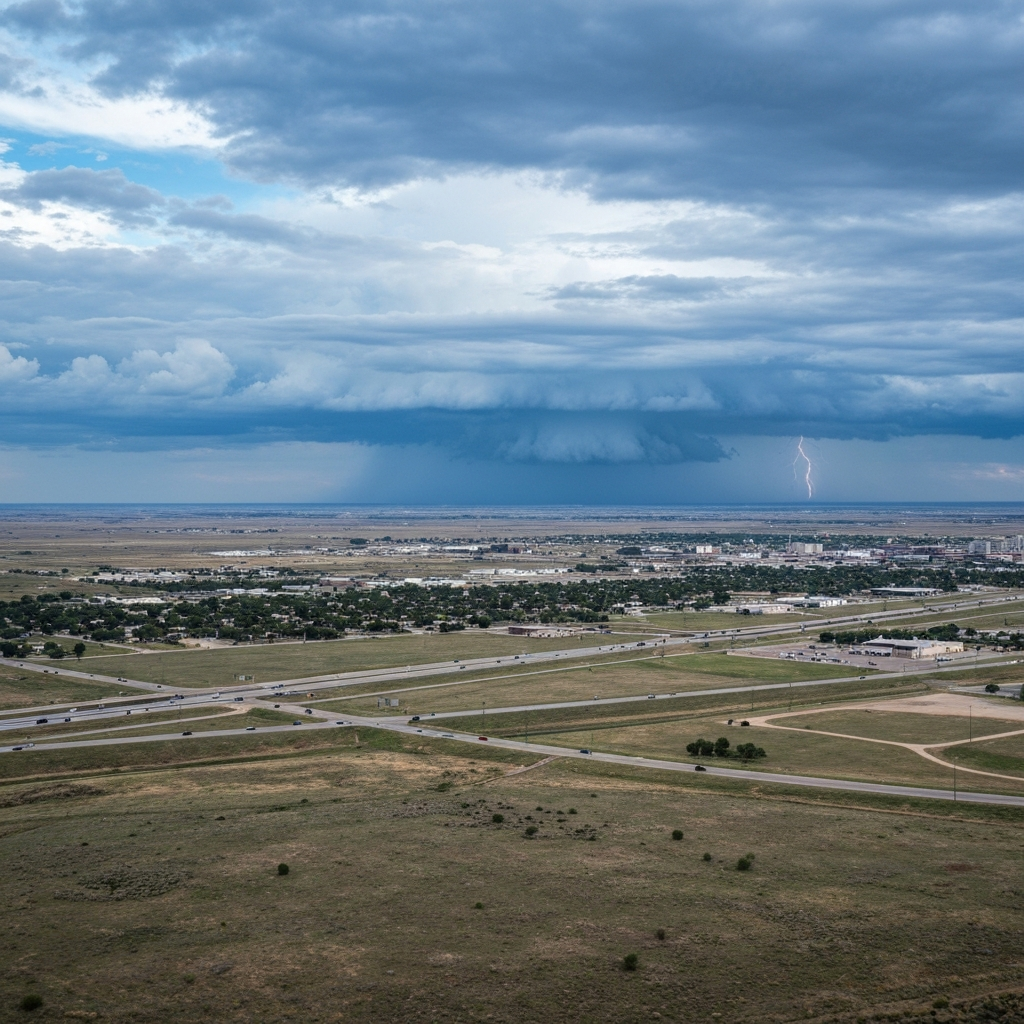
Amarillo, situated in the heart of the Texas Panhandle, experiences a semi-arid climate characterized by significant temperature variations, low humidity, and distinct seasonal changes. Understanding these patterns is essential for residents and visitors alike.
Temperature Variations
Our city witnesses a broad range of temperatures throughout the year. Summers are typically hot, with average high temperatures in July reaching around 91°F (33°C). Winters, on the other hand, are cold, with average lows in January dipping to approximately 23°F (-5°C). Such fluctuations are common due to our geographical location and topography.
Precipitation and Snowfall
Amarillo receives an average annual precipitation of about 19.71 inches, with the majority occurring between April and September, often accompanied by thunderstorms. Snowfall is also a notable feature, averaging 17.9 inches annually, primarily during the winter months. However, snow has been recorded as early as September and as late as May.
Wind and Severe Weather
Known for its windy conditions, Amarillo frequently experiences strong winds, especially in the winter and spring. Wind speeds can reach 50 mph or more, sometimes leading to blowing dust. Additionally, the area is susceptible to severe weather events, including thunderstorms with large hail and tornadoes, particularly from April to June.
Environmental Considerations
Recent reports have highlighted environmental challenges in our region. The American Lung Association’s 2025 “State of the Air” report ranked Amarillo 79th in the nation for ozone pollution, indicating a need for continued efforts to improve air quality. Moreover, climate data from 1948 to 2025 shows a warming trend, with the mean annual temperature increasing by approximately 1.06°C over the decades. This warming can lead to heightened risks of droughts and more frequent heatwaves, impacting local ecosystems and agriculture.
Understanding Amarillo’s climate is crucial for adapting to its challenges and appreciating the unique environment we call home.